What is Galectin-3?
Galectin-3 is a β-galactoside-binding protein that plays a central role in inflammation, immune signaling, and tissue fibrosis. It acts as a molecular organizer on cell surfaces and as an amplifier of inflammatory and fibrotic pathways when dysregulated.
Understanding Galectin-3 helps explain why certain polysaccharides (such as arabinogalactan in AquaLink) are of interest for supporting balanced cellular communication and a healthy inflammatory response.
How Galectin-3 binds glycans
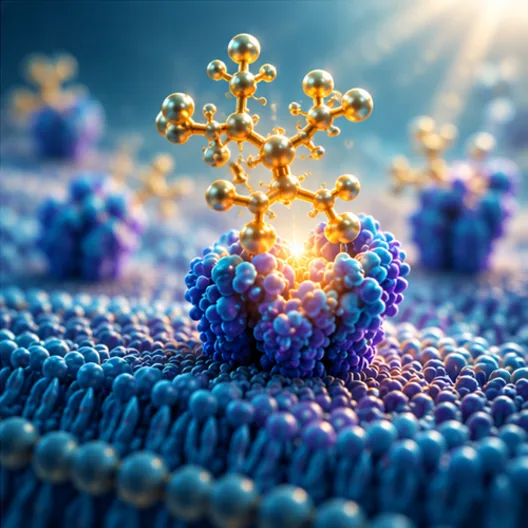
Galectin-3 forms dynamic lattices on the surface of cells that control how certain receptors send signals.
- Galectin-3 binds to sugar structures (glycans) on cell-surface proteins.
- Through its N-terminal domain it oligomerizes (often forming pentamers or larger structures).
- These oligomers cross-link multiple glycoproteins, creating a lattice-like network on the membrane.
The glycan lattice
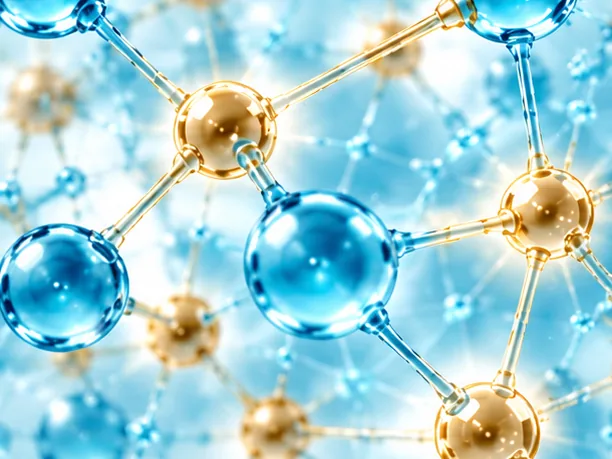
The Galectin-3 lattice acts like temporary scaffolding on the cell surface. It holds certain receptors in place, slows their removal, and organizes them so signaling becomes stronger or lasts longer.
Cellular signaling
How the lattice affects signaling
- Slows receptor internalizationReceptors stay on the surface longer and continue signaling.
- Organizes and clusters receptorsBrings certain receptors closer together or keeps them apart.
- Stabilizes growth factor and cytokine receptorsEspecially TGF-β receptors and integrins.
- Raises the threshold for some immune signalsCan limit excessive T-cell receptor clustering.
- Supports chronic inflammation and fibrosisBy keeping pro-inflammatory and pro-fibrotic receptors active longer.
Inflammation and fibrosis
Galectin-3 contributes to both the initiation and the persistence of inflammation.
| Mechanism | What happens |
|---|---|
| Macrophage recruitment & activation | Attracts and activates macrophages at sites of injury or stress. |
| NLRP3 inflammasome activation | Increases release of pro-inflammatory cytokines IL-1β and IL-18. |
| TLR4 signaling | Triggers the NF-κB pathway and further inflammatory gene expression. |
| Lattice formation | Stabilizes receptors and prolongs inflammatory and fibrotic signaling. |
| Cytokine & chemokine interactions | Modulates immune cell migration and can amplify or fine-tune the response. |
Key point: in acute injury Galectin-3 helps the body respond. When inflammation becomes chronic, elevated Galectin-3 sustains the response and drives tissue remodeling.
Galectin-3 is a major driver of tissue fibrosis (scarring). It sits at the crossroads of chronic inflammation and excessive extracellular matrix production.
What this means for AquaLink
Arabinogalactan, a key polysaccharide in AquaLink, contains galactose structures that can bind to the carbohydrate-recognition domain of Galectin-3.
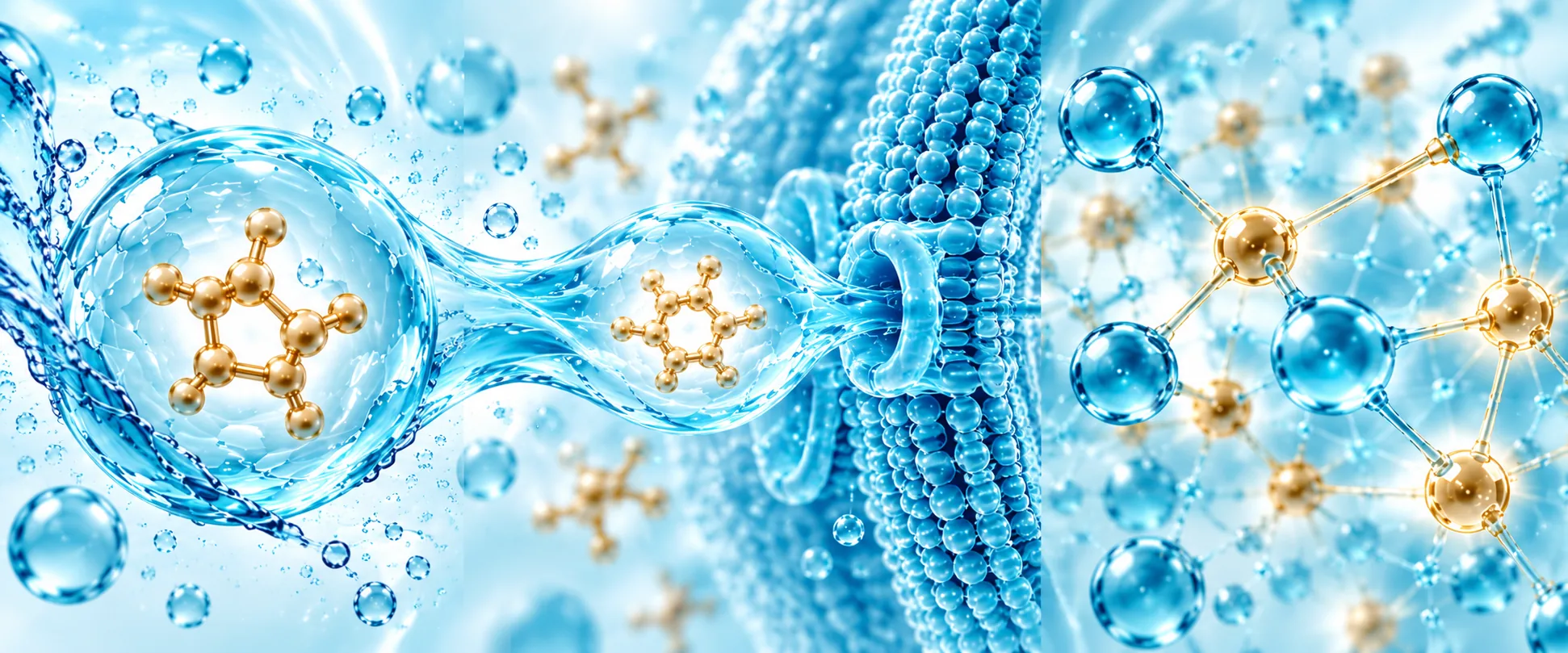
By interacting with these binding sites (particularly in the gut), arabinogalactan may help modulate lattice formation and related inflammatory signaling. The hydration shell technology is designed to protect and support delivery of these polysaccharides.
References
Placeholder references shown for layout. Real citations are required before publication.
- Title of the referenced work — placeholder
- Title of the referenced work — placeholder
- Title of the referenced work — placeholder
- Title of the referenced work — placeholder